
 IoT‑enabled application scenarios can be found everywhere in daily life. The Internet of Things (IoT) refers to a network that connects physical objects to the Internet via sensing devices to exchange information and communicate, so as to realize intelligent identification, positioning, tracking, monitoring and management. To put it simply, with smart devices for specific scenarios (mobile terminals, vehicle‑mounted devices, etc.) and communication data‑transmission networks, people, physical objects (resources) and services are interconnected to efficiently satisfy specific requirements. This article lists several common IoT application scenarios in everyday life.
IoT Scenario 1: Robot Vacuum Cleaner (Automatic Garbage Cleaning)
Robot vacuum cleaners, also known as automatic sweepers, intelligent vacuum cleaners or robotic vacuum cleaners, are a type of smart home appliance. Powered by artificial intelligence, they can automatically complete floor‑cleaning tasks inside rooms. Working as a vacuum robot for carpets and hard floors, it cleans every room through Wi‑Fi connection and mobile‑phone applications.
IoT Scenario 2: Smart Refrigerator
An IoT‑enabled smart refrigerator does more than just store food. Connected to the network, it enables free communication among the refrigerator, food stored inside it, supermarket food supplies and end‑users.
After the refrigerator establishes associations with food items, users can remotely check food inventory while at the office or on the go via various networks. At home, the refrigerator automatically reminds users which ingredients need restocking and which food items are approaching their expiration dates. With simple user operations, merchants can deliver goods right to the user’s doorstep.
IoT Scenario 3: Smart Watch
Among smart‑watch products, the Apple Watch is well‑known. It pairs with mobile devices and can execute tasks or display content without operating the mobile phone. Equipped with an electronic heart‑rate sensor, this type of device can access the Internet, make and receive phone calls, send and receive text messages, browse social‑network platforms, and count daily steps.
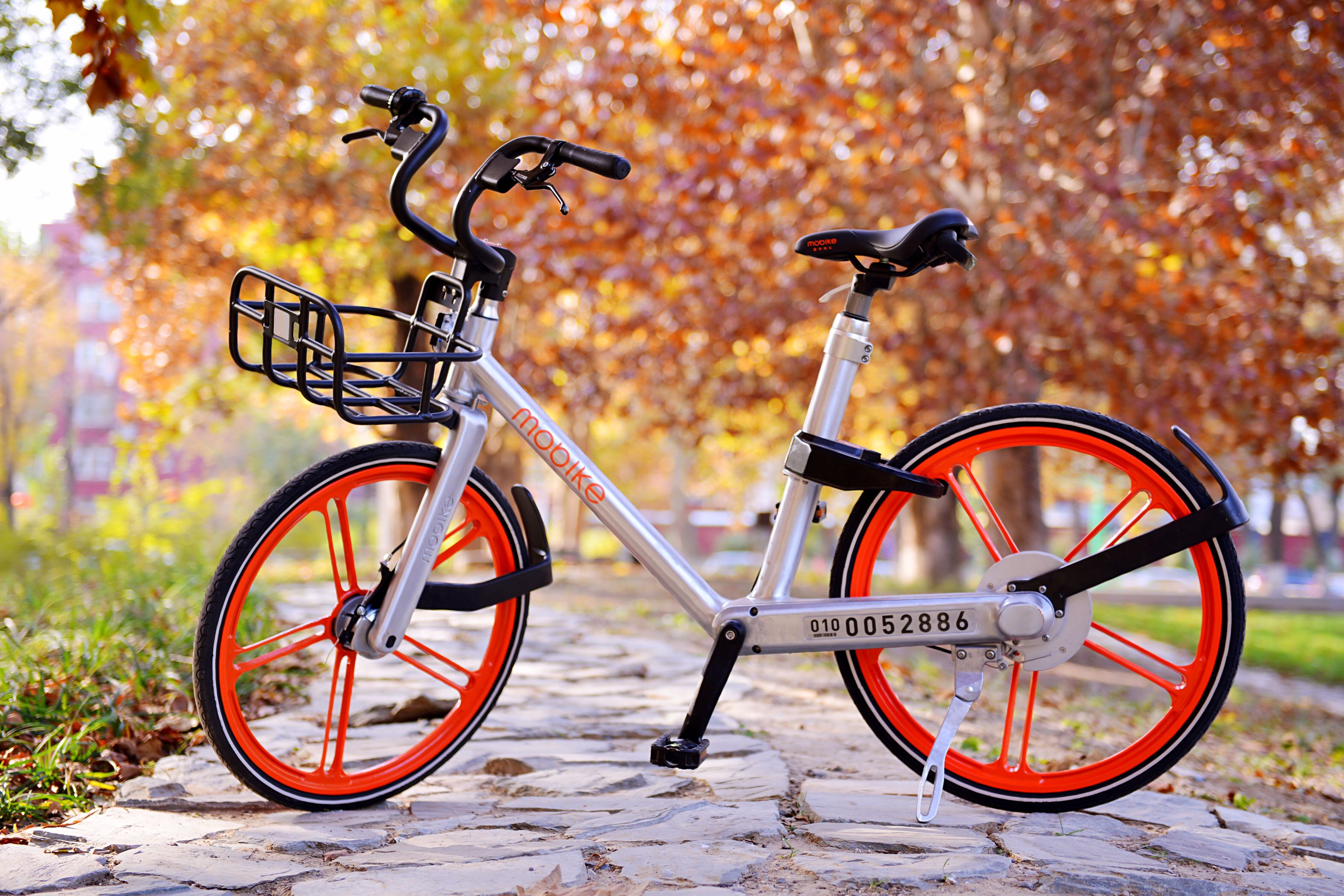
IoT Scenario 4: Shared Bicycle
Unlike the mechanical locks on ordinary bicycles, the lock of a shared bicycle acts as a black‑box control unit. Its working principle is as follows:
To use a shared bicycle, locate the bike, scan the QR code on its body via the corresponding mobile App to unlock it. When you finish riding, park the bicycle in the designated area and engage the electronic lock. The App will then notify you that the bike has been returned.
Throughout the whole process, the App sends a usage command. The command is transmitted over the Internet to the bicycle’s electronic lock, and the on‑board black‑box unit unlocks the bike upon receiving the instruction. The mobile App, QR code and vehicle‑mounted black‑box together form a simple IoT system.
IoT Scenario 5: Smart Medical Devices
Compared with conventional medical products, IoT‑based smart medical solutions feature intelligent strengths including real‑time perception, data analysis and information identification. Medical diagnosis is no longer limited to traditional approaches. By building a regional medical‑information platform for health records and adopting advanced IoT technologies, interactions can be realized among patients, medical staff, medical institutions and medical equipment to achieve gradual medical informatization.
In the future, the medical industry will integrate more high‑technologies such as artificial intelligence and sensor technology, bringing genuine intelligence to medical services and boosting the prosperity of the healthcare sector. Against the backdrop of China’s new‑health‑care‑reform initiative, smart medical services are gradually entering ordinary people’s daily lives.